
Advocacy - A trip to DC
A monthly message from Executive Director Jamila Carter
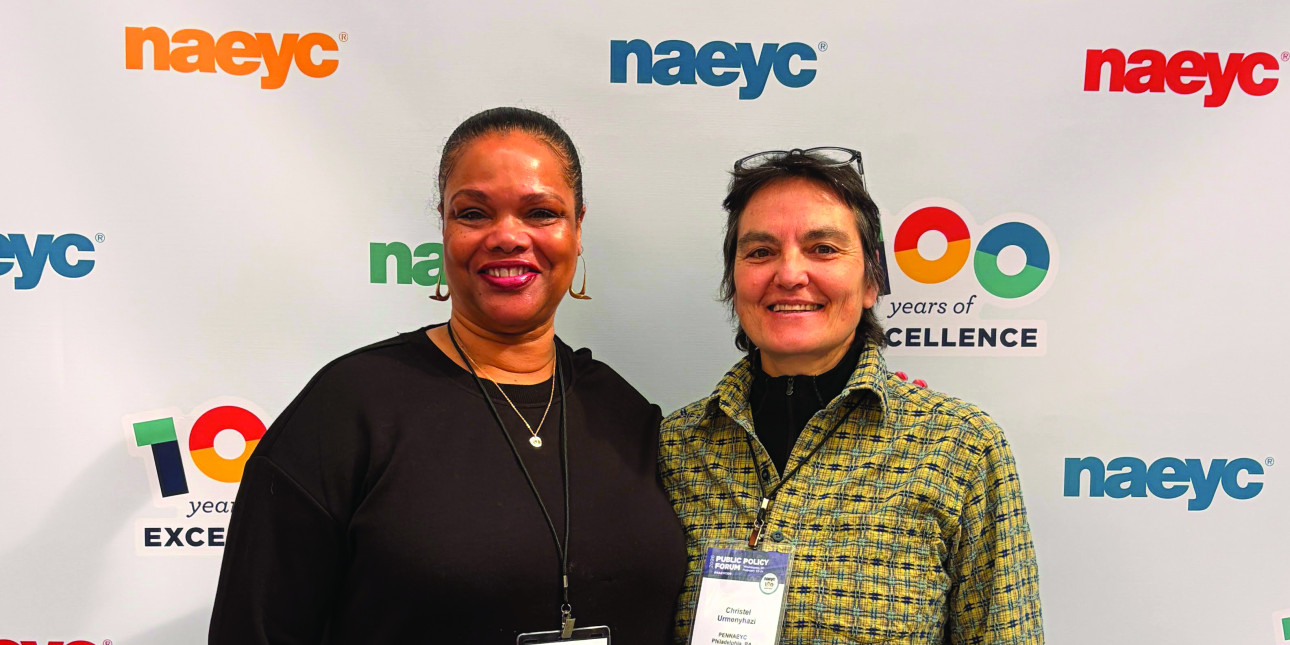
Last week, I had the opportunity to travel to Washington, D.C. with Christel Ürményházi, lead teacher in the Roadrunners classroom, for NAEYC’s Public Policy Forum. Over three days, early childhood educators and advocates from across the country came together to learn, reflect, and strengthen our voices on behalf of young children. We heard from NAEYC leaders, advocates, and policymakers, and spent time building our understanding of the policies that shape access to child care, support for teachers, and funding for high-quality early learning programs. The forum is designed to help educators grow their advocacy skills, deepen their policy knowledge, and prepare for conversations with lawmakers, and that is exactly what it did for us.
One of the clearest takeaways for me was this: advocacy matters. It matters because families need child care that is affordable, accessible, and dependable. It matters because teachers deserve fair wages and the kind of support that allows them to stay in the field they love. And it matters because high-quality early childhood education does not happen by accident — it requires real investment, thoughtful policy, and people willing to speak up. Advocacy can sometimes feel far away from the daily work of caring for children, but this trip was a reminder that it is deeply connected. The decisions made in government offices affect what is possible in classrooms like ours every single day.
On our final day, Christel and I went to Capitol Hill, where we met with staff from Congressman Dwight Evans’ office and the offices of Senators Dave McCormick and John Fetterman. We shared our stories and spoke about what children, families, teachers, and child care programs truly need in order to thrive. It was meaningful to represent PIC in those conversations and to be part of a larger national effort to make sure early childhood education remains a priority. NAEYC’s forum includes direct conversations with policymakers on Capitol Hill, and I left feeling proud that our voices — and the voices of the families and teachers we serve — were part of that effort.
We came back from our time in D.C. inspired, energized, and excited to bring what we learned back to PIC. We want our families and teachers to know that advocacy is not just for policymakers or professional organizers — it belongs to all of us. When we speak up about what children need, when we tell the truth about what families are navigating, and when we advocate for the teachers who make this work possible, we help shape something better. I hope this experience encourages more of our PIC community to get involved, because our collective voice is powerful.
And, I hope you will join me. I invite you to explore ways to help advocate for early childhood education. The children, families, and teachers need you.